
poetry
-
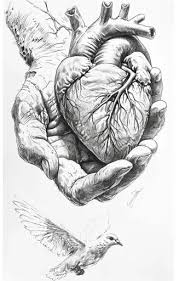
I thought how lucky I’d been —you plunged both hands into my chest,fished the last beast out by its roots,proud as some surgeon of sorrow.You called it mercy. I called it vacancy.A wind now whistles through the chamberwhere furious heat once kept me warm. We die on hills we did not choose, and some we…
-
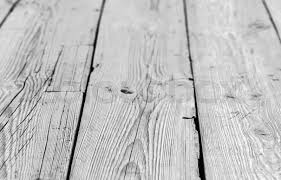
Rain in my boots once taught methat misery seeps upward,one cold inch at a time.Feet chilled, blood chilled,the whole body trickedinto believing joy was impossible. Life does this too:one regret, one old griefrunning its circuit like a tide,turning the warm currentinto undertow. Today, I’m on my knees,teaching how to lay flooring.Snap, click, measure, cut.Start at…
-
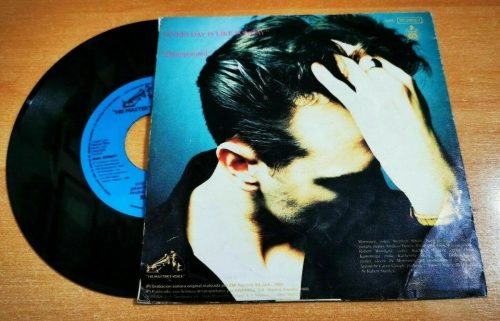
Chapter: Corduroy Communion Sunday arrived like an unasked question.I thought of walking,right after thinking I should lose ten poundsbefore Thanksgiving makes martyrs of us all. But the bed conspired against me.I read, I scrolled,until I saw them—corduroy pants,soft-ribbed armor I’ve wanted for years. I’ll buy them when I’ve lost the weight.As if joy must be…
-
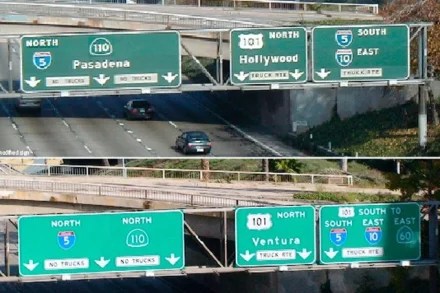
Jesus loves you, the sign read. A crooked heart leaned against the words—hand-drawn, imperfect, but certain. A King’s promise sketched onto cardboard, lifted above the choking traffic of the 101. The valley swallowed me whole. I was just another cell in the city’s concrete artery, staring toward the San Gabriels where the light still knew…
-
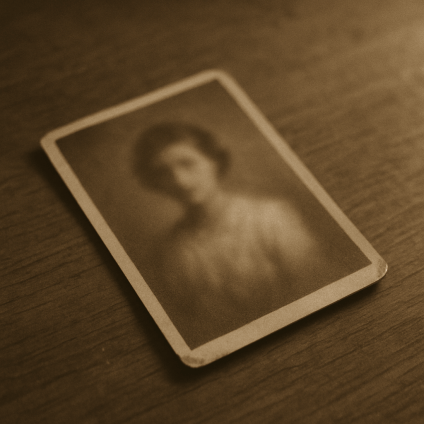
Have you ever loved a photograph? Not the person.The paper. Corners curled.Edges yellow.Your fingerprints pressed into it—again, again. A relic.A prayer. Flat image—yet it breathes.Two into three.Three into somethinguntouched by time. I fall inside.Invent the dialogue.Score the silence.Make the light softerthan it ever was. The picture forgiveswhat memory could not. I keep too many.They hold…
-
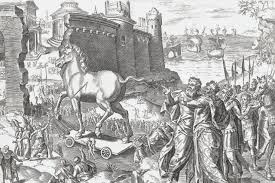
The Trojan Horse, Revisited They say a Trojan horse works only once—unless it’s carved so beautifulit blinds the guard at the gate. And you—you were that beautiful. I opened the walls,welcomed you in,mistook the hollow for holy,the silence for love. You studied my blueprints,found the unguarded doors,and from your belly spilledarmies of half-truths,promises sharp as…
-

Chapter Title: Silt I’m sorry.I didn’t have what you needed.What I gave was ordinary.Brief. The words—they wait in silence.Lined up like ghosts.But they dieon the way to my mouth. Only I’m sorry survives.Two small words.Tired.Misunderstood.Still, they walk forward. I’m sorry I couldn’t hold you.That I blurred in your eyes—like newsprint left out in the rain.…
-
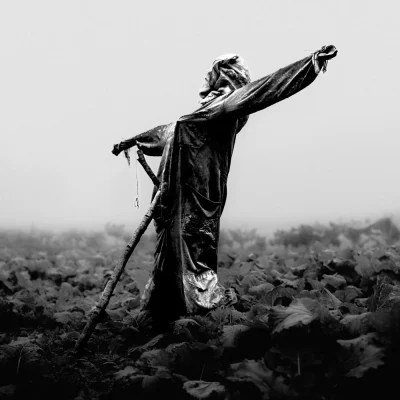
A fraud, they said. But to be a fraud one must first know the real thing.I never got the blueprint, only the ghost of a house.This rope, not hemp but memory, knots me to myself.I dream of Houdini-ing out, each kiss from my wife a lockpick made of breath. I was married once. I think…
-
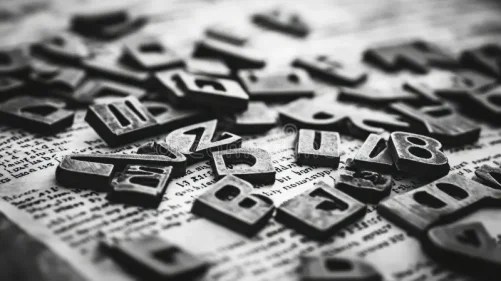
Chapter — The Alphabet That Couldn’t Sing I tried to build words from an alphabet that was not my own. Spanish at home, English at school. The letters felt foreign, cold to the touch, like tools meant for someone else’s hands. The sentences they made were like conversations overheard through a wall—recognizable as speech, but…
-
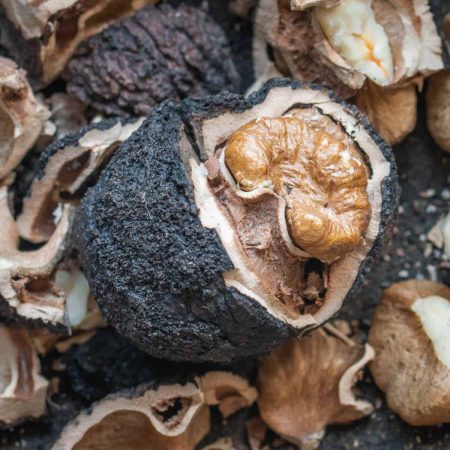
from, Chapter 4: Walnut Season It starts like this: the end begins with the cards. For years, I kept my life organized on 3×5 index cards—neat, white, lined. They lived in small gray boxes stacked on chrome wire shelves above the kitchen sink. Stainless, or trying to be. Twenty boxes, two deep, three high. A…
 BB Grey--musings