
Part I
The San Gabriel Mountains stretched across the horizon, their peaks rising anywhere from five to ten thousand feet, dusted with the remnants of winter’s last breath. The recent storms had draped elevations above 5,000 feet in fresh snow, transforming them into inverted ice cream cones dipped in vanilla. As the sun climbed higher, its warmth set to work, melting away the edges, a slow undoing of winter’s art. Below, the valley basked in a perfect seventy degrees, while the mountain towns, still clutching the mid-forties, held onto their frost just a little longer, reluctant to let go of the cold.
We sang at the top of our lungs to the lyrics we knew and laughed at the ones we didn’t—making up words with the confidence of people who didn’t care to get them right.”
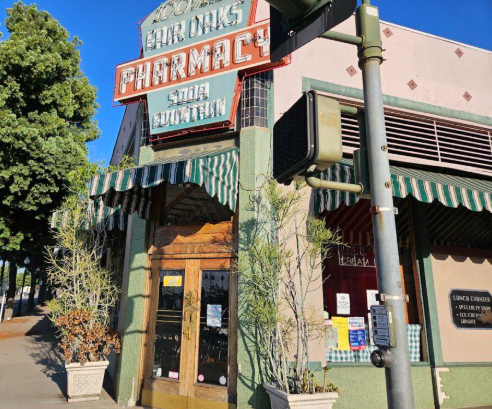
South Pasadena sat comfortably inland, about twenty-five miles from the Pacific and a short five to eight miles from the base of the foothills. The town had an easy rhythm—sidewalks lined with trees, inviting residents to wander, to shop, to talk, to fill their minds with everything and nothing. The weekend had arrived, yet Monday loomed in the distance like a shadow stretching long before dusk.
Britain and I had made plans to meet mid-morning. I left my truck parked, opting instead for her British racing green Mini Cooper with the ragtop. Navigating Southern California, especially on a holiday weekend, was far easier in a car half the size of my truck, so we settled into her tiny, spirited ride. The top came down, the sky stretched wide above us, and with a quick voice command to Siri, our soundtrack came to life—Spotify’s holiday weekend mix.
At a red light, the wind died down, and for the first time, we realized just how loud we were. Pedestrians shot us annoyed glances as Brit took her performance up a notch. Without hesitation, she unbuckled, stood on her seat, and belted out the refrain from You’re the One That I Want—a callback to her high school days when she had played Sandy in Grease. She was confident, effortless, and had a voice that could stop a room. I, on the other hand, slouched lower in my seat, waiting for the light to turn green and rescue me from my growing embarrassment. But she didn’t stop—not even when the signal changed. Instead, she finished the song, receiving honks of approval and cheers from a few strangers who, for a brief moment, became part of our little scene. She slid back into her seat, grinning, eyes sparkling with a mischief that made it impossible not to smile back.
We made a right onto Mission Street, parking across from the library. Inside, we headed straight for the Friends of the Library book sale shelves, flipping through stacks of fifty-cent finds. Brit settled on Juliet, Naked by Nick Hornby, and I pulled Light in August by Faulkner—a classic for my ever-growing collection. I had started the habit ten years ago, adding to it whenever I found something that felt like it belonged. Faulkner was a worthy addition, though I had to admit, As I Lay Dying had nearly defeated me.
From there, we wandered to La Monarca, splitting a tres leches latte and pan dulce, the warm sweetness dissolving on our tongues. As we walked along the tree-lined sidewalks, we took inventory of the California Craftsman homes—bungalows with covered porches, exposed beams, rich wood trim, deep overhanging eaves, and exteriors that blended painted wood with stucco. It was a research field trip of sorts, gathering inspiration for the restoration of a 1918 bungalow one of our clients had recently purchased. The charm of the architecture, the character etched into every beam and detail, made the project feel like more than a job. It felt like a story we were about to help tell.
As the day stretched toward evening, the sun dipped beyond the horizon, casting everything in a soft golden glow. A cool breeze rolled in from the west, balancing the heat of the day with the ocean’s gentle exhale. Streetlights flickered on, their glow blending with the warmth of restaurant fire pits and the flickering yellow-red dance of gas lamps. Silverware clinked against plates, glasses were raised and emptied, and laughter floated between tables.
Hungry from a day of forgetting to eat, we found our way to a bar—happy to skip the wait for a table. The noise, the closeness, the warmth of the space drowned out everything except for the way we leaned toward each other, our voices brushing against each other’s ears. Conversations blurred into something more intimate—words exchanged in half-whispers, touches that lingered just long enough to mean something. And then, between words, between laughter, between the rise and fall of voices around us, she leaned in, her lips just near my cheek, and whispered, Let’s get out of here.
No hesitation.
We left cash on the counter and walked out into the night.


 BB Grey--musings
Leave a reply to Violet Lentz Cancel reply