
“I am the master of my fate, I am the captain of my soul.”
— William Ernest Henley, from “Invictus” (1875)
Bathsheba, Veiled in Mist
I watch, unblinking,
through the shadowed pane—
I’m a silhouette cloaked in intent,
my gaze a thread you can’t hold.
Your form falters under my stare,
cloth clings too tight,
a confession I don’t need to hear.
I feel your eyes on me,
a plea tightening in your chest,
my hand a whisper
you can’t turn against me.
We’re complicit, yes,
but I steer desire’s weight.
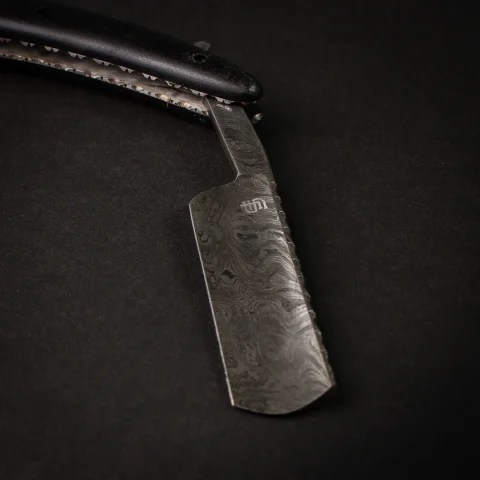
Delilah, Barber of Seville
I hold the shears,
gleaming in dim light,
my hands a hymn you misjudge.
I cut you free from despair’s grip,
a knot you wove yourself.
My fingers brush your skin,
flames flicker and die under my touch,
silencing your chaos.
Your cry breaks the air,
weak, fleeting—
I keep the peace intact,
curtains closed,
guarding the void you carry.
Madam Adam
I rule the garden now,
once yours, reshaped with thorns.
I hear the serpent’s hiss,
its tongue a silver leash I tie around you.
My loins bear no fruit for you,
light, unoffered—
a harvest I refuse.
Have it my way,
I whisper,
and you obey,
again, again.
The Fall
I watch their voices falter,
judges shedding robes before me.
You plead to the void I command,
your trembling words dissolving,
my face a shadowed calm,
stopping your plunge.
You’re wreckage now—
my touch, once yours to claim,
a gift I pull away.
You wanted me,
not just my hands’ warmth,
but my will bending to yours.
I gave only what I chose,
a measured denial,
a hunger you can’t sate.
I see you crave me,
trusting the tilt of my smile,
promises I let hover,
unclaimed, unbroken by me.
I offered what I willed,
then stepped back,
leaving you reaching,
a shell I won’t fill.
We were mutual once,
convenient for you,
a bond I let you seal in haste.
But convenience cracks,
and your need turns frail.
I wield my presence like a wall,
and you, lost,
let it mark you.
Now, waste fades under my gaze,
ash lifts from my feet,
the world steady
in my unshattered frame.
You’re a ghost of what I permitted,
a stranger I knew too well,
bound to the ruin I chose to spare.
***In this reimagined work, the speaker transforms from victim to victor, wielding control where they once seemed ensnared. The poem explores power reclaimed, desire weaponized, and ruin redefined, casting the speaker as architect rather than casualty of their shared collapse.


 BB Grey--musings
Leave a reply to Isha Garg Cancel reply