
Garth Mitchell had a crooked smile. He’d wrinkle and scrunch his nose, squint his eyes—hoped his nose was pushing down the middle of his upper lip in equal measure, making the edges rise. It was a wreck of a smile, all work and no reward.
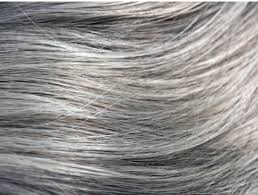
His hair went white at thirty-two, and he was quick to tell people—first thing—that going white early meant he’d keep a full head forever.
Twelve years later I saw him in the liquor aisle at Stater Brothers, studying bourbon and reaching for the cheap stuff—Jim Beam on the lower shelf for $19.99. His hair was still white, but he was nearly bald. So much for that theory.
I steered my cart into the next aisle. I wasn’t ready for small talk, and I wasn’t entirely sure it was him. The last time we’d spoken was twelve, maybe thirteen years back, and I’d left owing him money, or did he owe me? I couldn’t remember but there was definitely an amount due. The Great Recession, the move, losing the house—excuses could be written forever, but the fact was I’d felt bad about it for a long time. Not bad enough to make it right, but bad enough.
I didn’t want to make it right today. I just didn’t want to leave it how it was.
I wandered the aisles against traffic, making eye contact with the same women pushing the same carts, forcing smiles because it was obvious I was going the wrong way. If there’s a manual for supermarket aisle direction, I’ve never seen it.
In the macaroni-and-cheese aisle his cart sat angled across the lane. I saw his profile—bald now, white tufts at the edges, flip-flops, swim trunks. I was certain. I called out, “Mitchell!”
He glanced sideways, then back at the shelf. I watched him flip through a mental photo album until he found me—twenty pounds lighter back then, hair dark brown, almost black, wearing a smile that said I could do anything. He turned, scrunched his nose, and produced the crooked smile I remembered. “Davidson!”
We reached across the aisle and shook.
“How the hell have you been?”
“Good,” I said. “Real good.” Not entirely true, but close enough.
“How’s Karen?” I asked, assuming they were still married.
“She’s fine.” Before he could ask about Melissa, I cut in to spare us both.
“That’s good. I guess you know about Melissa.”
“Yeah,” he said. “I heard.”
“You can’t make them stay when they don’t want to.”
He chuckled. I probably wore a crooked smile of my own.
“So I hear,” he said, then told me about Emma, Sophie, and Claire—their three girls. They’d stopped at three after trying for a boy and deciding three was enough, maybe more than enough.
I told him Maya, Harper, and Ryan were fine. Our kids were stacked by age exactly: Maya/Emma, Harper/Sophie, Ryan/Claire. I got the boy in the end, a minor victory. I thought about mentioning that Ryan turned out to be gay, but decided it was too much, too soon.You try for a boy; you get a person. The rest is his
We covered the old neighborhood and names we still knew. Colleges. He said Claire was the hell-raiser, and joked about number three, and trying for a boy, and how life works out.
Back then he was a glazing contractor for his father-in-law. I was the GC across the street, had started my own outfit, and was rolling—until the bottom fell out. They called it the Great Recession because the Great Depression was already taken. For anyone in construction or housing, it might as well have been the Depression. I haven’t felt sadder since, and a third of the people I knew never returned even after things smoothed out a decade later.
He was smarter. He left town, moved to Washington, then came back when the dust settled and landed at a private university as the maintenance guy—hiring kids who couldn’t find the working end of a screwdriver but could write code.
I told him I was still at the same grind, that things were okay, getting better. They weren’t, really. Some days were alright; most were what they were.
We blocked traffic nearly an hour before I checked my watch. We said our goodbyes without exchanging numbers, emails, or promises.
“Good seeing you,” we both said, and left it at that.
I pushed my cart to the door and left it half-loaded. Eating—food—none of it seemed right anymore. He drifted back toward the liquor aisle, maybe to swap the Jim for Jack. Who knows.
I left with a crooked smile and a full head of hair, gray and nearly white. There are different ways to go all white, I suppose.


 BB Grey--musings
Leave a comment